Boeing
My thoughts on Boeing and its future.
By Roman Boschetto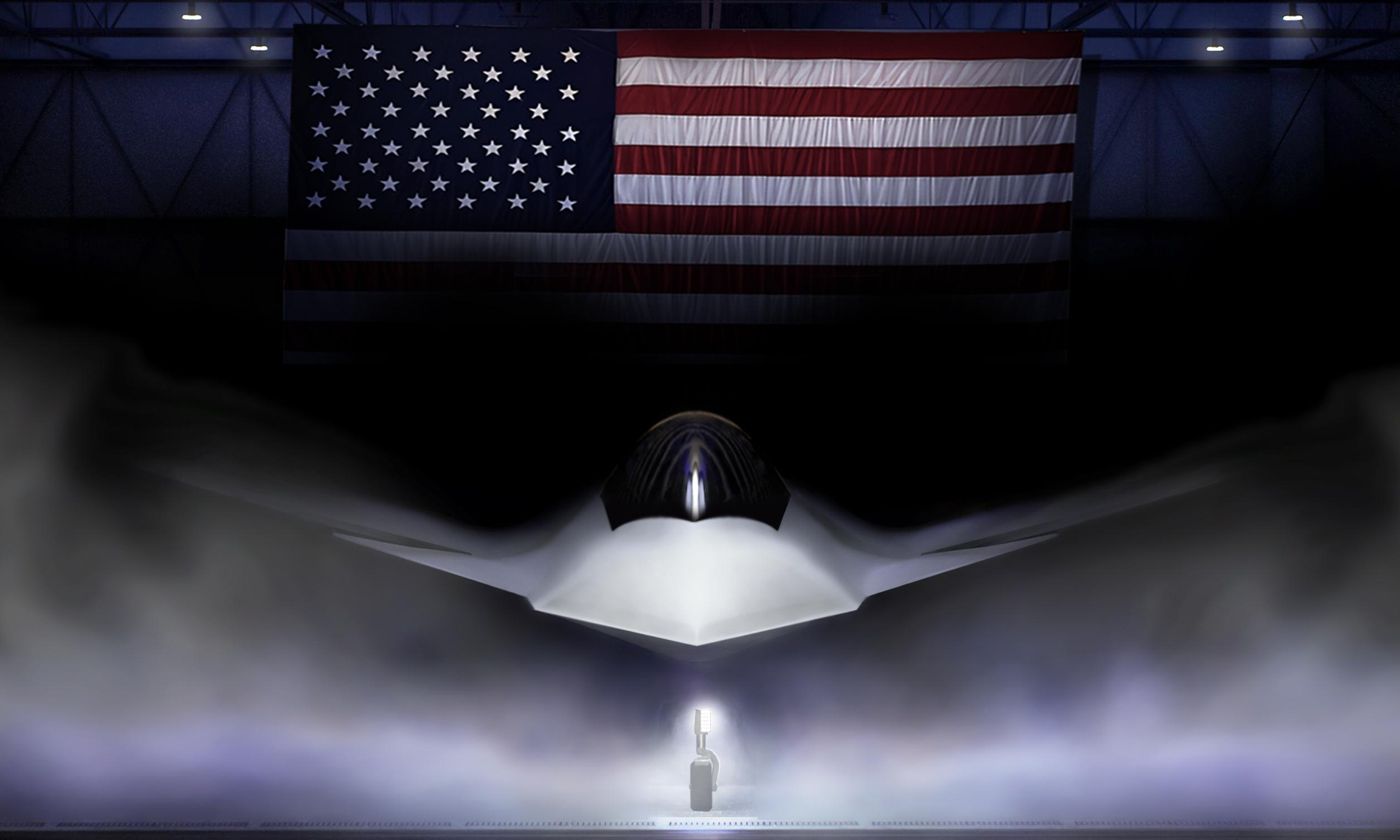
Boeing is getting better. It is building more planes, and customers have ordered more than it can make for years.
But the company is still barely making money, and the stock at $198 is priced as if the recovery were already finished.
So I would not buy it here, and I would not bet against it either. Right plane, wrong fare.
For three decades, Boeing has repeatedly invited investors to underwrite the next operational reset. The question now is less "what went wrong?" than "what can go right enough, and soon enough, to justify the price?" At roughly $198 per share, I see too little margin for further certification delays, production friction or defense charges. The recovery is underway, but the stock asks investors to pay for its completion.
All 27 analysts polled rate Boeing a buy, and even the lowest target implies a 24% gain. Their targets rest on 2027–28 cash flow, which is worth less with the 10-year Treasury at 5.18%. Boeing is priced too rich to buy and too necessary to US economic and military security to short. The best move is to play in another sandbox with a clearer pathway to realizable value.
At the 25 Sep 2026 close. Only Tesla, at 195x, is higher among the large US technology stocks; it is off this scale.
Cash is still fragile
Second-quarter revenue rose to $24.6bn on 171 commercial deliveries, but operating margin was only 0.6%, net loss was $428m and core operating profit was effectively zero. Quarterly free cash flow turned positive at $631m, while first-half free cash flow remained negative $823m. Gross debt was $45.9bn against $20.0bn of cash and marketable securities. Those numbers support improvement, but not an unqualified "fixed Boeing" thesis.
Management has guided to $1–3bn of free cash flow for 2026. To get there, the second half must deliver $1.8–3.8bn, or $0.9–1.9bn a quarter. The best quarter so far was $0.63bn.
Negative cash flow starves the future. With $45.9bn of debt to carry, scarce cash goes to stabilizing today's production lines, not to the next airplane or the next factory.
Backlog is not cash
Boeing reported a record $715bn backlog, including more than 6,200 commercial aircraft. That is 7.6 years of revenue at the first-half run rate. Its position alongside Airbus in large commercial jets makes a terminal short thesis unattractive. Yet backlog is not distributable cash: execution, supplier capacity, quality and program economics determine how much value reaches shareholders.
One engine is flying the plane. In the second quarter, Global Services earned $968m on $5.3bn of revenue, an 18.1% margin. Commercial Airplanes lost $322m on $11.8bn. Defense lost $15m on $7.5bn. Demand is not the problem; conversion is.
Beyond airliners
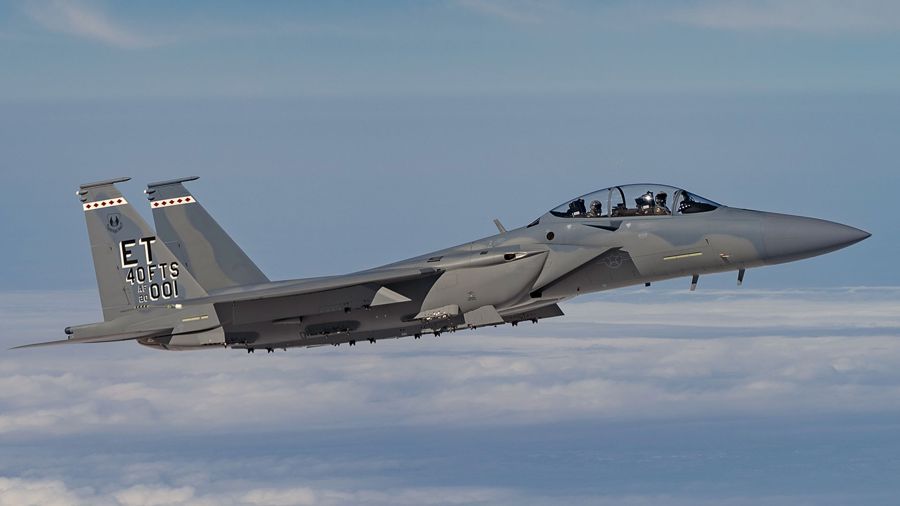
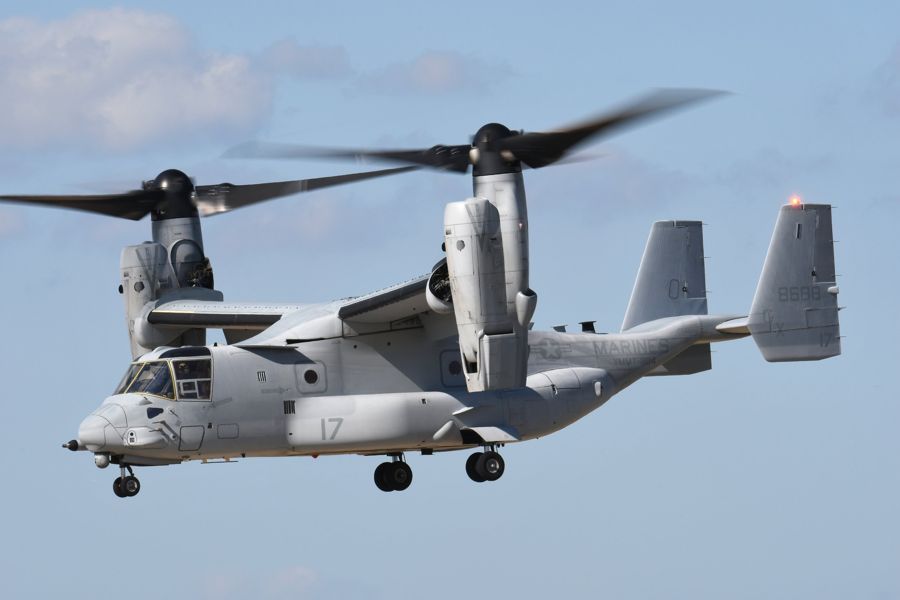
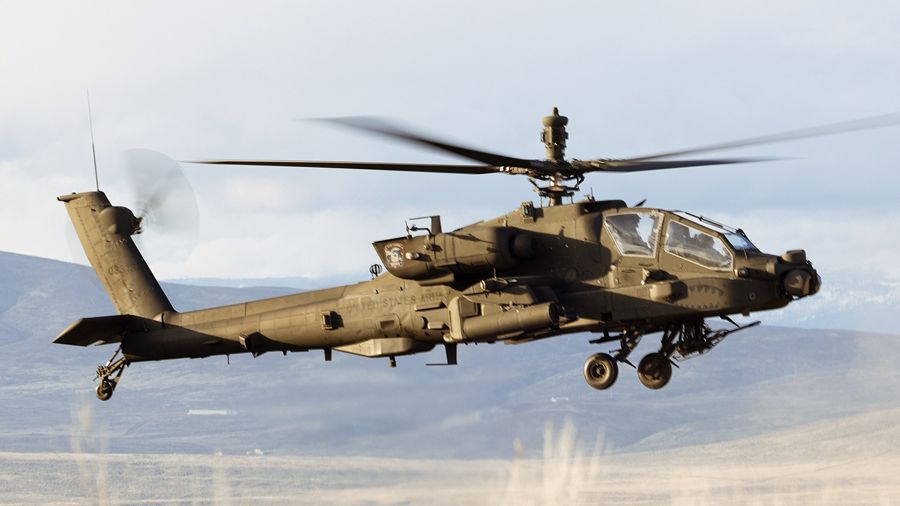
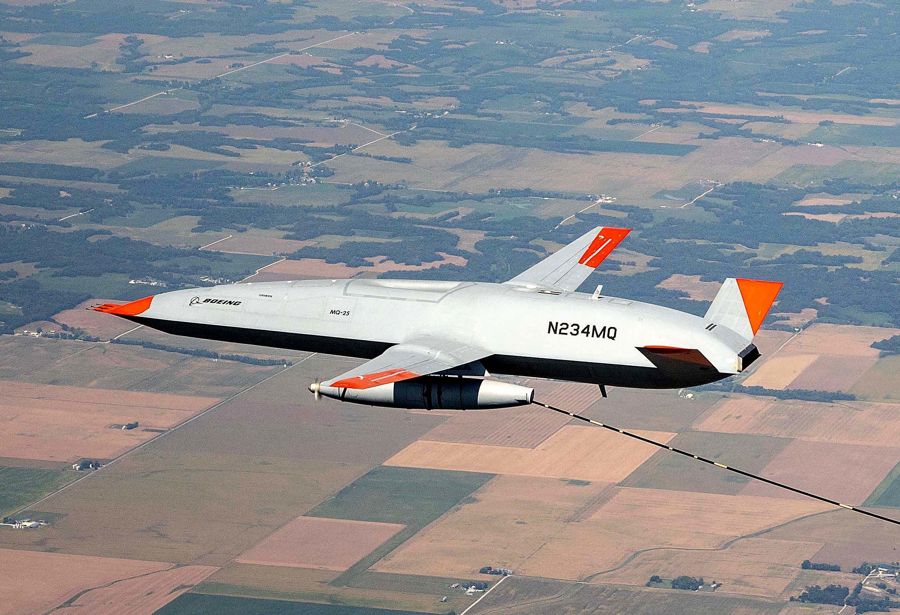
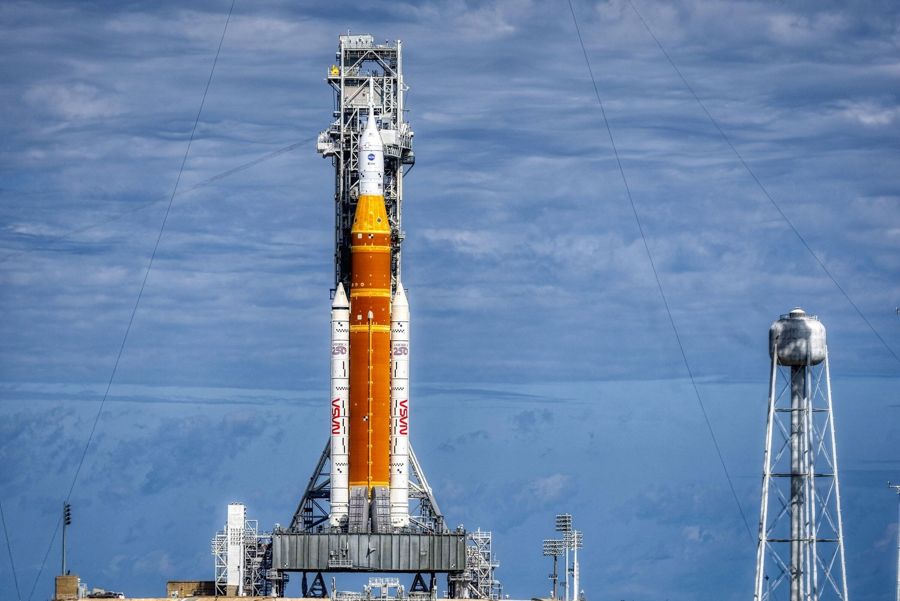
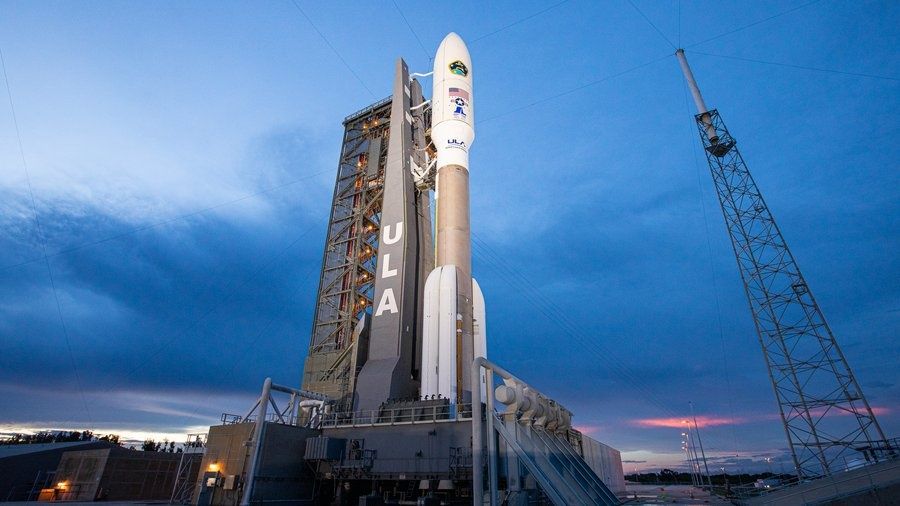
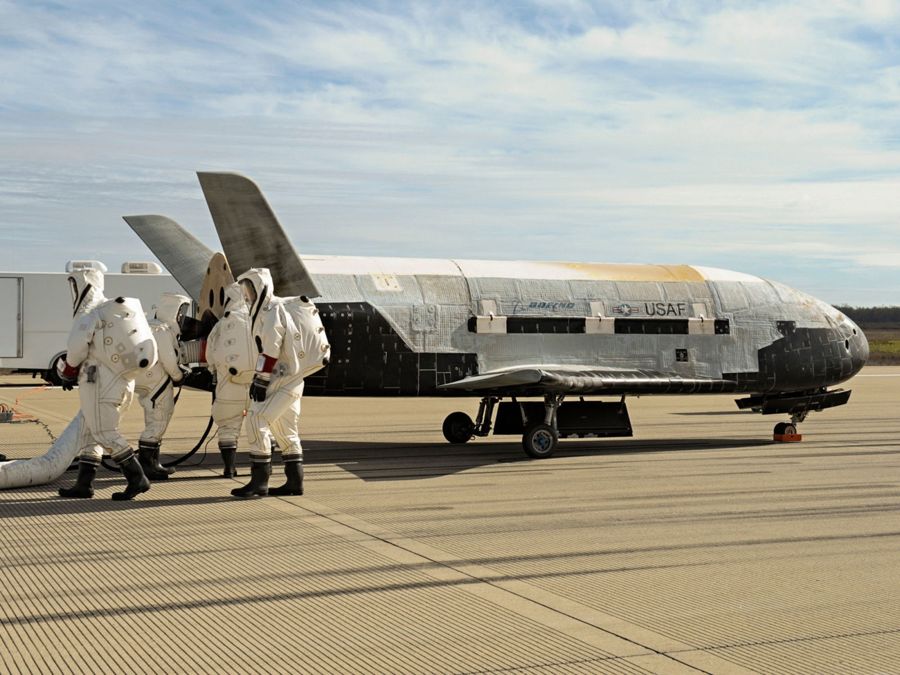
Boeing also builds fighters, tiltrotors, moon rockets and spy satellites. Defense, Space & Security brought in $7.5bn in the second quarter, 30% of revenue, at a margin of negative 0.2%. These franchises make Boeing too important to US security to short. But many are fixed-price contracts that have cost billions in charges, including another $280m on Air Force One last quarter. Great products, thin profits.

Today's price is the bull case
You are paying now for everything to go right by 2028. Each cell below values Boeing on its 2028 free cash flow at a given multiple, less today's net debt, discounted back to today at 10% a year.
| 2028 free cash flow | 15x | 18x | 20x | 22x |
|---|---|---|---|---|
| $6bn | $65 | $84 | $96 | $108 |
| $8bn | $96 | $121 | $137 | $153 |
| $10bn | $127 | $157 | $178 | $198 |
| $11bn (Bernstein) | $142 | $176 | $198 | $221 |
| $12bn | $157 | $194 | $219 | $243 |
The outlined cell is the bull case: Bernstein's $11bn of 2028 free cash flow at the 20x multiple Wells Fargo uses. It is worth $198, exactly today's price.
My bear case, where the ramp stalls and defense charges recur, is $6bn at 15x, or $65 a share. My base case, a recovery with the usual delays, is $9bn at 18x, or $139. The payoff is lopsided: the downside is two-thirds of the share price, and the upside is zero even if the bull case arrives on time. These scenarios are my illustrations, not forecasts.
Three decades of promised resets
Every Boeing chief since the early 1990s has asked investors for patience. The words change; the ask does not.
- 1993 · Frank Shrontz
"Boeing retains a very strong balance sheet, with a ratio of debt to total capital of just 18 percent."
Said as 23,000 jobs were being cut. Today: $45.9bn of gross debt.
- 1998 · Phil Condit
"My career hinges on the successful operation of the Boeing company, and the production problems are clearly part of that."
After a rushed production ramp produced Boeing's first annual loss since 1947. Resigned December 2003.
- 2013 · Jim McNerney
"I'm confident in the 787 because I'm confident in Boeing people."
As the 787 fleet was grounded over battery fires, after years of delivery delays.
- 2020 · Dave Calhoun
"Many of our stakeholders are rightly disappointed in us, and it's our job to repair these vital relationships."
A 737-9 door plug blew out in January 2024; he announced his exit that March.
- 2024 · Kelly Ortberg
"This is a big ship that will take some time to turn, but when it does, it has the capacity to be great again."
The current reset. The stock prices its success.
Where I differ from the Street
The consensus is Strong Buy with an average target of $273.50, 38% above the price. Mine is a contrarian call, and I want to be clear about why.
I agree the recovery is real. Boeing has a record backlog, the most deliveries since 2018, positive second-quarter free cash flow and restored FAA self-certification. But every target is a 2027–28 cash story. Bernstein's $298 rests on more than $11bn of free cash flow in 2028. J.P. Morgan's $290 assumes the 737 line steps from 47 a month to 52 on schedule, and management said in September it has not yet stabilized at 47. Wells Fargo's $250, the lowest of the group, applies a peer multiple to 2028 cash, which values success and not today's business.
The most telling signal is Jefferies, which stayed at Buy but cut its target from $295 to $265 over cash. The direction of revisions matters more than the rating. I will not pay 2028 prices for 2026 results, especially with rates rising.
What would prove me wrong
The principal risk to my stance is faster-than-expected delivery growth and cash conversion. A second is policy: if the administration takes a direct federal equity stake, as it did with Intel, Boeing could outperform. That rally would be a trade, not a thesis.
I would change my view on sustained production at acceptable quality, several consecutive quarters of positive free cash flow, a visible reduction in net debt, defense contracts earning adequate returns, or a lower entry price. The next proof point is third-quarter results in late October, measured against the $1–3bn guide.
Right plane, wrong fare
Boeing makes aircraft the world needs and cannot easily get anywhere else. At $198 the stock already charges for a recovery that has not been delivered. I would rather wait for a lower price, or for the cash flow to prove it.
Valuation: (2028 free cash flow × multiple − $25.9bn net debt) ÷ 790.6m diluted shares, discounted 2.25 years at 10%. At an 8% discount rate the bull case is about $206.
Figures are from Boeing's second-quarter 2026 earnings release, Stock Analysis for multiples and consensus, and the Federal Reserve H.15 for rates. Analyst views come from press coverage of each firm's notes, not the notes themselves. Photos are US Government images unless credited.
I hold no position in Boeing. Student research for educational purposes; not investment advice.
Think I have this wrong, or want to talk it through? Email me or find me on LinkedIn.